


Consider this, as tomato is fruit. Yes you’ve heard it right.
The history of tomatoes is a tale of botanical discovery, culinary evolution, and global impact. Native to the western regions of South America, tomatoes were first cultivated by the Aztecs and Incas. These early civilizations valued the tomato for its flavor and versatility, incorporating it into their cuisines in various forms.
The journey of the tomato from the Americas to Europe is intertwined with the Age of Exploration. Spanish conquistadors encountered tomatoes in their expeditions and brought them back to Europe in the 16th century. Initially met with suspicion due to their resemblance to other members of the nightshade family, such as belladonna, which was poisonous, tomatoes were initially grown as ornamental plants in Italy and Spain.
It wasn’t until the 18th century that tomatoes gained widespread acceptance in European cuisine. Italian immigrants played a crucial role in popularizing the tomato in Mediterranean cooking, particularly in dishes such as pasta sauces and pizzas. In Spain, tomatoes became a key ingredient in gazpacho, a refreshing cold soup.
The cultivation and consumption of tomatoes spread rapidly across Europe and beyond. In North America, tomatoes were embraced and integrated into various regional cuisines. Today, tomatoes are a staple in dishes from around the world, from the spicy salsas of Mexico to the rich curries of India.
Tomatoes are not only a culinary delight but also a nutritional powerhouse. They are rich in vitamins A, C, and K, as well as antioxidants like lycopene, which is believed to have various health benefits, including reducing the risk of certain cancers and heart disease.
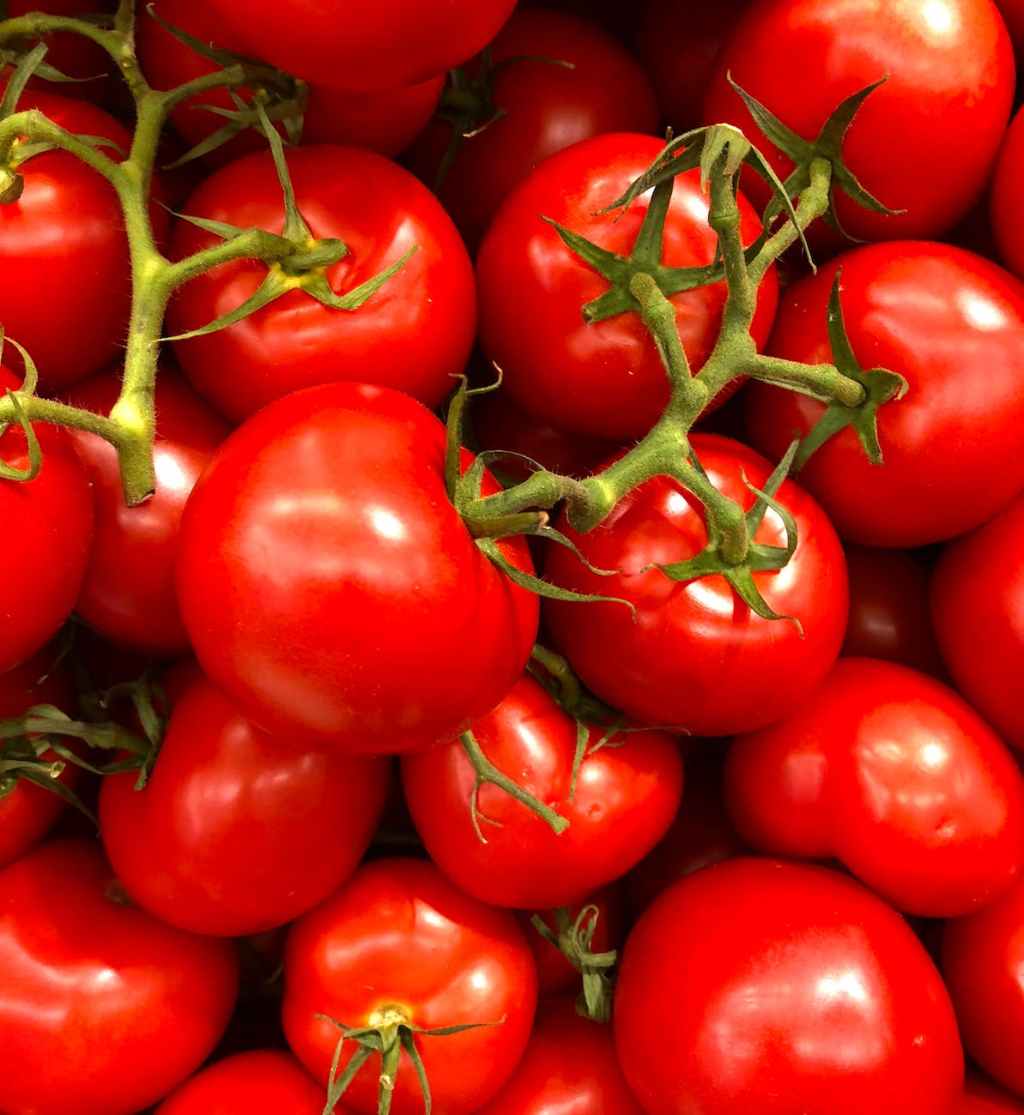
Tomatoes come in a dazzling array of shapes, sizes, and colors. From the tiny, sweet cherry tomatoes to the large, meaty beefsteak tomatoes, there’s a tomato variety for every palate and recipe. Some varieties, such as heirloom tomatoes, are prized for their unique flavors and historical significance.
In addition to their culinary and nutritional value, tomatoes have also left their mark on culture and society. In some cultures, tomatoes are associated with love and passion, earning them the nickname “love apples.” Tomato festivals, such as the famous “La Tomatina” in Spain, attract thousands of participants who engage in a massive tomato fight, celebrating this humble fruit’s place in their hearts.
Varieties: There are thousands of tomato varieties, ranging from tiny cherry tomatoes to large beefsteak tomatoes. They vary in color, shape, size, and flavor.
- Beefsteak Tomatoes: Large, meaty tomatoes often used for slicing, sandwiches, and burgers.
- Roma Tomatoes: Also known as plum tomatoes, they are oval-shaped and have fewer seeds, making them ideal for sauces and canning.
- Cherry Tomatoes: Small, round tomatoes often used in salads or as a snack.
- Grape Tomatoes: Similar to cherry tomatoes but more oblong in shape, often used in salads or roasted.
- Heirloom Tomatoes: These are older, open-pollinated varieties known for their unique colors, shapes, and flavors.
- Campari Tomatoes: Sweet, juicy tomatoes, slightly larger than cherry tomatoes, often used in salads.
- Green Tomatoes: Unripe tomatoes that are firm and tangy, often used in frying or pickling.
- San Marzano Tomatoes: A type of plum tomato known for its sweet flavor, often used in Italian cooking, especially for making sauces.
- Yellow Pear Tomatoes: Small, pear-shaped tomatoes with a sweet flavor, often used in salads or for snacking.
- Health Benefits: Tomatoes are rich in vitamins A, C, and K, as well as potassium and antioxidants. They are known for their potential to reduce the risk of heart disease and cancer.
- Culinary Uses: Tomatoes are incredibly versatile in cooking. They can be eaten raw in salads, sandwiches, and salsas, or cooked in sauces, soups, and stews. They are also used to make juices, ketchup, and tomato paste.
- Growing Tomatoes: Tomatoes are annual plants that are typically grown in warm climates. They require full sun and well-drained soil. They can be grown in gardens, containers, or even upside-down planters.
- Tomato Ripening: Tomatoes continue to ripen after they are picked, thanks to a natural gas called ethylene. Storing them at room temperature can help them ripen fully and develop more flavor.
- Tomato Symbolism: In some cultures, tomatoes symbolize love and passion. They are often associated with the heart and are sometimes referred to as “love apples.”
- Tomato Festivals: Many places around the world celebrate tomatoes with festivals and events. One of the most famous is the “La Tomatina” festival in Spain, where participants engage in a massive tomato fight.
- Tomato Nutrition: Tomatoes are low in calories and high in fiber, making them a great choice for weight management. They are also a good source of hydration, as they are about 95% water.
TOMATOES MENU
Tomato and Burrata Caprese Salad
Ingredients:
4 large heirloom tomatoes, sliced
1 pound fresh burrata cheese
1/2 cup fresh basil leaves
1/4 cup high-quality balsamic glaze
Sea salt and freshly ground black pepper, to taste
Extra virgin olive oil, for drizzling
Instructions:
Arrange the tomato slices on a large serving platter, alternating with slices of burrata cheese.
Tuck fresh basil leaves in between the tomato and burrata slices.
Season the salad with sea salt and freshly ground black pepper.
Drizzle the balsamic glaze over the salad in a decorative pattern.
Finish with a generous drizzle of extra virgin olive oil.
Roasted Tomato and Red Pepper Bisque
Ingredients:
2 pounds ripe tomatoes, halved
2 red bell peppers, halved and seeds removed
4 cloves garlic, peeled
1 onion, chopped
4 cups vegetable broth
1 cup heavy cream
2 tablespoons olive oil
1 teaspoon dried thyme
1 teaspoon dried basil
Salt and pepper, to taste
Fresh basil leaves, for garnish
Balsamic glaze, for garnish
Instructions:
Preheat the oven to 400°F (200°C).
Place the tomatoes, red bell peppers, and garlic cloves on a baking sheet. Drizzle with olive oil and sprinkle with salt and pepper.
Roast in the preheated oven for 25-30 minutes, or until the vegetables are soft and slightly caramelized.
I personally prefers grilling those ingredients but you don’t have to.
In a large pot, heat olive oil over medium heat. Add the chopped onion and sauté until softened, about 5 minutes.
Add the roasted tomatoes, red bell peppers, and garlic to the pot, along with the vegetable broth, dried thyme, and dried basil. Bring to a simmer and cook for 15-20 minutes.
Use an immersion blender to blend the soup until smooth. Alternatively, carefully transfer the soup to a blender and blend in batches until smooth.
Stir in the heavy cream and season with salt and pepper to taste.
Serve the bisque hot, garnished with fresh basil leaves and a drizzle of balsamic glaze if desired.
Beefsteak Tomato and Lobster Risotto
Ingredients:
1 1/2 cups Arborio rice
4 cups chicken or vegetable broth
1/2 cup dry white wine
2 tablespoons olive oil
1 onion, finely chopped
2 cloves garlic, minced
1 beefsteak tomato, diced
1 lobster tail, meat removed and chopped
1/2 cup grated Parmesan cheese
2 tablespoons butter
Salt and pepper, to taste
Fresh parsley, chopped, for garnish
Instructions:
In a medium saucepan, heat the chicken or vegetable broth over low heat. Keep warm.
In a large skillet or pan, heat the olive oil over medium heat. Add the onion and garlic, and sauté until soft and translucent, about 5 minutes.
Add the Arborio rice to the skillet and stir to coat the rice with the oil, onion, and garlic mixture. Cook for 1-2 minutes, stirring constantly.
Pour in the white wine and cook until the wine has evaporated, stirring frequently.
Begin adding the warm broth to the rice, one ladleful at a time, stirring constantly and allowing the rice to absorb the liquid before adding more broth. Continue this process until the rice is creamy and tender, about 18-20 minutes.
Stir in the diced tomato and chopped lobster meat, and cook for an additional 2-3 minutes, until the lobster is cooked through.
Remove the skillet from the heat and stir in the grated Parmesan cheese and butter. Season with salt and pepper, to taste.
Serve the risotto hot, garnished with chopped fresh parsley.
Tomato and Goat Cheese Tart
Ingredients:
For the tart crust:
1 1/4 cups all-purpose flour
1/2 teaspoon salt
1/2 cup unsalted butter, cold and cut into small pieces
2-3 tablespoons ice water
For the filling:
1 cup cherry tomatoes, halved
1 large tomato, sliced
4 ounces goat cheese, crumbled
1 garlic clove, minced
1 tablespoon olive oil
1 tablespoon fresh thyme leaves
Salt and pepper, to taste
Instructions:
For the tart crust:
In a food processor, combine the flour and salt. Add the cold butter and pulse until the mixture resembles coarse crumbs.
Add the ice water, one tablespoon at a time, and pulse until the dough comes together.
Shape the dough into a disk, wrap it in plastic wrap, and refrigerate for at least 30 minutes.
Preheat the oven to 375°F (190°C).
On a lightly floured surface, roll out the dough into a circle about 12 inches in diameter. Transfer the dough to a tart pan and press it into the bottom and sides. Trim off any excess dough.
Line the tart shell with parchment paper and fill it with pie weights or dried beans. Bake for 15 minutes. Remove the parchment paper and weights and bake for an additional 10 minutes, or until the crust is golden brown. Remove from the oven and let cool slightly.
For the filling:
Increase the oven temperature to 400°F (200°C).
In a bowl, toss the cherry tomatoes with olive oil, minced garlic, salt, and pepper.
Spread the crumbled goat cheese evenly over the bottom of the pre-baked tart crust.
Arrange the sliced tomato and seasoned cherry tomatoes on top of the goat cheese.
Sprinkle fresh thyme leaves over the tomatoes.
Bake the tart for 20-25 minutes, or until the tomatoes are softened and the crust is golden brown.
Remove from the oven and let cool for a few minutes before serving. Enjoy this delicious tomato and goat cheese tart warm or at room temperature!
The history of tomatoes is a testament to the transformative power of food. From their humble origins in the Andean highlands to their status as a global culinary staple, tomatoes have captured the hearts and taste buds of people around the world. Whether eaten fresh off the vine or cooked into a savory sauce, tomatoes continue to inspire and delight with their vibrant flavors and rich history.













 Simply Cooking!
Leave a comment