


Filipino Food Month Series – Day 1 | Mindanao
Wrapped in fragrant banana leaves and sold for as little as ten pesos on the streets of Cotabato and Maguindanao, Pastil is a rice dish that speaks of tradition, resourcefulness, and flavor. Often overshadowed by more popular Filipino dishes like adobo or sinigang, Pastil holds a special place in Mindanaoan cuisine—particularly among Muslim Filipino communities.
It is a symbol of convenience, culture, and culinary creativity. If you’ve never tasted Pastil, now is the time to discover one of the Philippines’ most underrated regional treasures.
Pastil is widely believed to have originated from the Maguindanao people, one of the largest ethnolinguistic groups in Mindanao. It’s a dish that emerged from practicality—workers, farmers, and students needed a portable, filling, and affordable meal. The use of banana leaves as packaging is deeply rooted in traditional Muslim Filipino food practices, allowing the food to remain warm, moist, and fragrant without the need for plastic or foil.
The act of wrapping food in leaves is also a nod to pre-colonial and Islamic culinary traditions, where minimalism and respect for nature go hand-in-hand with nourishment.
In many Southeast Asian cultures, banana leaves are more than wrapping—they’re flavor enhancers. When hot rice and meat are wrapped in freshly wilted banana leaves, they absorb the earthy, grassy aroma of the leaf, subtly transforming the taste. In the Philippines, banana leaves are used in various dishes like suman, binalot, bibingka, and of course, Pastil.
Using banana leaves reflects the Indigenous and Islamic foodways of southern Mindanao, where sustainability and simplicity are woven into everyday eating.
So, what exactly makes Pastil unique?
- It’s a single-serving, all-in-one meal.
- It’s minimalist but deeply flavorful.
- It’s designed for eating on the go.
- It requires no utensils—just clean hands and an appetite.
- It’s accessible, affordable, and widely loved in the South.
Unlike more elaborate rice dishes that come with soup, pickles, or several sides, Pastil is a complete experience on its own.
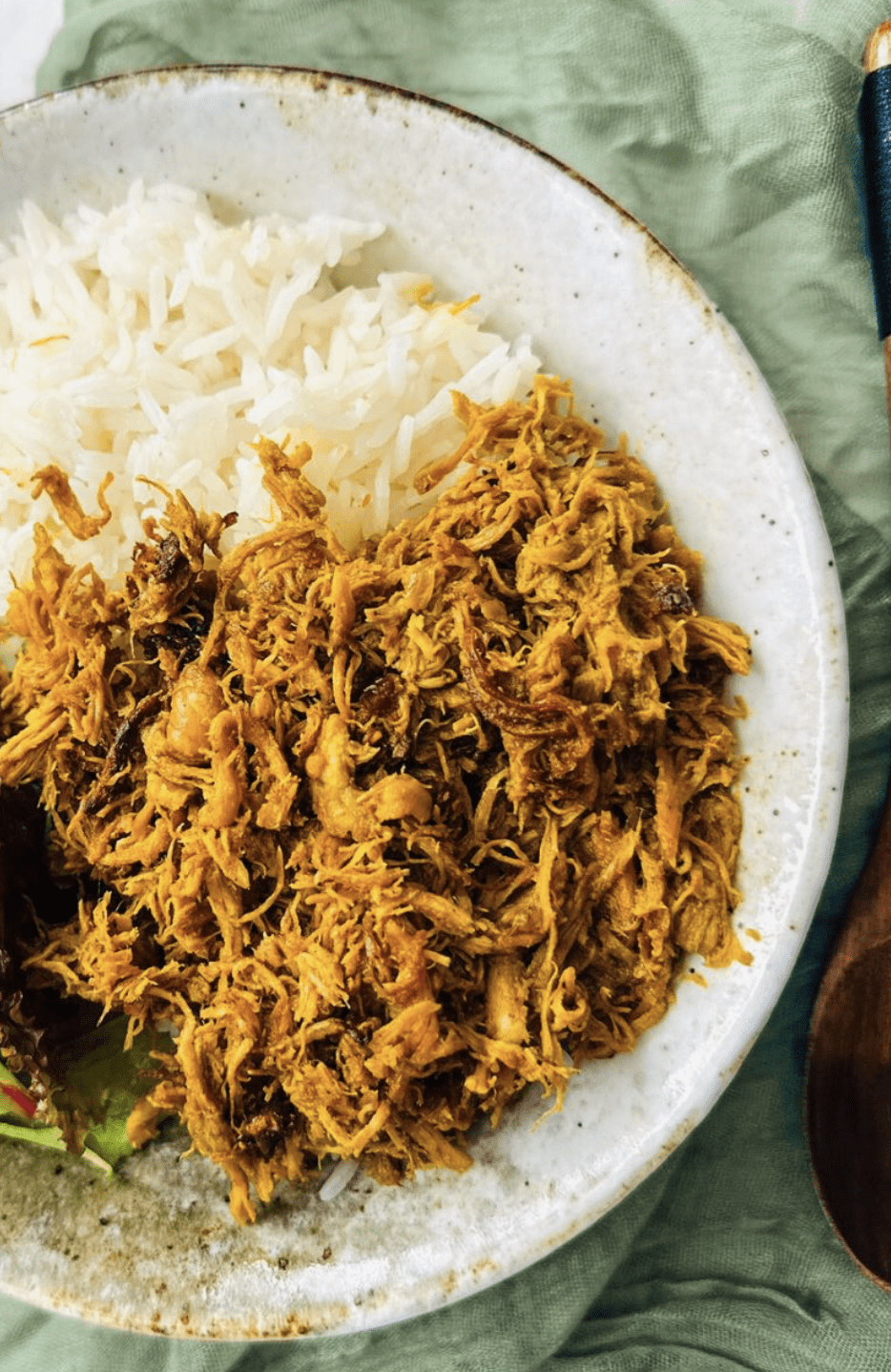
Traditionally, Pastil uses a meat topping called kagikit—shredded and sautéed meat, usually chicken, beef, or fish, cooked with garlic and onions. In urban areas, modern variations have emerged:
- Fried garlic or chili toppings
- Flavored rice
- Added sauces like chili vinegar
- Gourmet fillings like tapa or tuna
But purists in Mindanao will tell you that real Pastil needs no extras. Its essence lies in the simplicity of rice, savory meat, and the comfort of a warm banana leaf.
While chicken is the most common meat used in Pastil, there are regional and household variants:
- Beef brings a deeper umami flavor, perfect for special meals.
- Fish, especially flaked tuna or bangus, makes a lighter but equally satisfying version.
- Some include chicken liver or even boiled egg for richness and protein.
Whatever the protein, the meat is always shredded and stir-fried to the right balance of moisture and flavor.
Let’s break down the key ingredients:
- Rice – Freshly cooked and slightly sticky.
- Kagikit – The seasoned meat topping (the star of the show).
- Banana leaves – Washed and softened over heat for wrapping.
- Oil, garlic, onion, soy sauce – Basic pantry seasonings that do heavy lifting.
Optional enhancements include chili flakes, vinegar on the side, or a fried egg—especially if you’re feeling extra.
How to Make Authentic Chicken Pastil
Ingredients:
- 2 cups cooked white rice
- 1 cup shredded boiled chicken
- 3 cloves garlic, minced
- 1 small onion, chopped
- 2 tbsp soy sauce
- Salt and pepper to taste
- Banana leaves, lightly heated over flame
Instructions:
- Heat oil in a pan over medium heat.
- Sauté garlic until golden, add onion until soft.
- Add the shredded chicken and stir.
- Pour soy sauce and a pinch of salt and pepper. Stir and cook until slightly dry.
- Prepare your banana leaf—cut into squares and wilt them by heating briefly over an open flame or steaming.
- Lay rice in the center of the leaf. Top with the chicken mixture.
- Wrap snugly, fold, and serve warm.
Optional: Serve with spicy vinegar or boiled egg on the side.
In Cotabato, Davao, and even in parts of Zamboanga, Pastil can be found in stalls outside mosques, schools, and markets. Some use turmeric rice or a sweeter-saltier meat mix. Others add a local chili condiment called palapa—a Maranao specialty made with scallions, chili, and ginger.
Each version tells a different story, but the soul of Pastil remains consistent: simplicity, satisfaction, and culture in a leaf.
Health-wise, Pastil is a well-balanced dish—especially when made with lean chicken or fish. It’s rich in protein, and if using moderate rice portions, it’s not overly heavy. Plus, it’s traditionally halal, making it accessible to the Muslim community.
Caloric content varies depending on meat and rice, but a standard chicken Pastil ranges from 350 to 450 calories. If you’re watching sodium, reduce the soy sauce or use a low-sodium version. You can even adapt it to be keto-friendly using cauliflower rice.
Locals in Maguindanao often speak of Pastil with deep affection. Vendors like Ate Roda in Cotabato have been selling it for over 20 years. She recalls how her mother made it during Ramadan, packing dozens for iftar meals. For students, Pastil is a lunchtime staple. For office workers, it’s the meal that gets them through a hectic day.
And for many who now live in Metro Manila or abroad, Pastil is nostalgia wrapped in banana leaves. It’s food memory—portable, aromatic, and uniquely Filipino.
Frequently Asked Questions
Is Pastil the same as Binalot?
No—Binalot is any meal wrapped in banana leaves. Pastil specifically refers to rice topped with shredded sautéed meat, originating from Mindanao.
Can I use other types of meat?
Yes! Beef, fish, or even adobo leftovers work great.
Is it supposed to be spicy?
Traditionally no, but it’s commonly eaten with palapa or spicy vinegar.
Can I prep this ahead of time?
Absolutely. The meat can be cooked in advance. Wrap everything just before eating for the best texture.
In a world of fast food and fusion fads, dishes like Pastil remind us of the power of humble cooking. No trends. No gimmicks. Just honest food that feeds the belly—and the spirit.
As we begin Filipino Food Month, may Pastil set the tone for what this celebration is all about: honoring our regions, our stories, and our roots—one dish at a time.



 Simply Cooking!
Leave a comment