


Filipino Food Month Series – Day 2 | Luzon
If you’ve only eaten santol (cotton fruit) dipped in salt or bagoong, you’ve barely scratched the surface of its culinary potential. In the provinces of Quezon, Laguna, and Bicol, this tropical fruit is transformed into something extraordinary: Sinantolan.
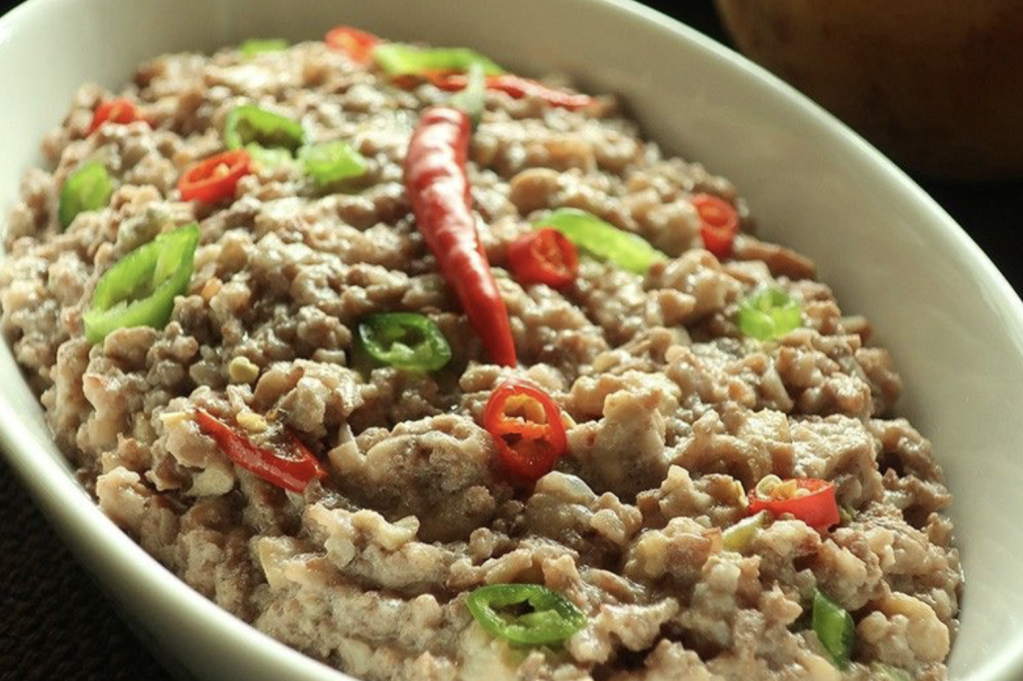
This creamy, tangy, and savory dish combines grated santol meat, bagoong (shrimp paste), chilies, and coconut milk into one of the most flavor-packed vegetable dishes you’ll ever taste.
It’s bold. It’s comforting. And most importantly—it’s criminally underrated.
Sinantolan is a hidden gem of Southern Luzon cuisine. It’s the kind of dish that rarely shows up on restaurant menus but is a beloved household staple in many Tagalog and Bicolano homes.
Its origins are deeply rooted in the practice of pagsasaing sa gata—cooking with coconut milk—common in Quezon and Bicol. Santol trees are abundant in backyards, so naturally, people found creative ways to turn the fruit into something savory, not just a snack.
Locals say that Sinantolan often appears during rainy days, fiestas, or when meat is scarce. It’s a celebration of resourcefulness and rich flavor—hallmarks of Filipino cooking.
The name Sinantolan refers to the process of cooking grated santol meat. Unlike its sour raw form, when cooked with aromatics, shrimp paste, and coconut milk, santol becomes soft, tangy, and creamy, with just enough acidity to cut through the richness of the gata.
It’s similar to dishes like Laing or Ginataang Langka, but what sets it apart is the use of fruit rather than a vegetable or leaf. And yes—this makes Sinantolan one of the few savory fruit-based Filipino dishes.
Why It’s Underrated
- It’s hyper-regional—rarely cooked outside Southern Luzon.
- It requires fresh santol, which isn’t always available in cities.
- It doesn’t “sound” like a main course—many dismiss it as a side.
- It’s overshadowed by more mainstream ginataan dishes.
But once you’ve had your first bite of well-made Sinantolan with steaming rice and fried fish on the side, there’s no going back.
Types of Sinantolan
- Classic Version: With shrimp paste, coconut milk, and chili.
- Meaty Twist: Includes bits of pork belly or tinapa flakes.
- Spicy Bicolano Style: Loads of siling labuyo and dry-fried for texture.
- Vegetarian Variant: Uses mushroom paste or fermented tofu instead of bagoong.
Each household and town has its own take, and the texture can range from creamy to dry, depending on preference.
Ingredient Highlights
Santol (Cotton Fruit):
- Choose young, green santol for best results.
- Grate the flesh after peeling and removing the seeds.
- Squeeze out excess juice to reduce bitterness and sourness.
Bagoong Alamang:
- Use sautéed shrimp paste for deeper flavor.
- Optional: Use fresh shrimp paste (ginisang bagoong) for a chunkier texture.
Gata (Coconut Milk):
- The heart of the dish. Use fresh coconut milk if available.
- First extract (kakang gata) adds a luscious, rich finish.
Chilies:
- Add heat, especially in Bicolano versions.
- Adjust according to your spice level.
Aromatics:
- Garlic and onion build the flavor base.
- Optional: Add ginger for warmth.
Authentic Sinantolan Recipe
Ingredients:
- 3 cups grated santol (squeezed and seeds removed)
- 1 cup thick coconut milk
- 1/3 cup sautéed shrimp paste (bagoong alamang)
- 1 onion, chopped
- 3 cloves garlic, minced
- 3–5 bird’s eye chilies (or adjust to taste)
- 1 tbsp cooking oil
Instructions:
- Prepare the santol by peeling, grating, and squeezing out the juice. Set aside.
- Heat oil in a pan. Sauté garlic and onion until translucent.
- Add the shrimp paste. Cook for 2–3 minutes until aromatic.
- Stir in the grated santol. Cook and mix well for 5–7 minutes.
- Add the coconut milk and chilies. Lower heat and simmer until the mixture thickens and the santol softens completely—around 10–15 minutes.
- Adjust seasoning to taste. Serve hot with rice.
How to Eat Sinantolan
Sinantolan is typically served as a side dish but can also be a main ulam when paired with:
- Fried or grilled tilapia
- Crispy pork belly (lechon kawali)
- Tofu or lumpiang gulay for a vegetarian spread
- A side of pickled papaya (atchara) for extra tang
Don’t be surprised if you end up eating two extra cups of rice—it’s that good.
Health and Nutrition
Benefits:
- High in fiber from santol
- Rich in healthy fats from coconut milk
- Protein from shrimp paste (or meat, if used)
- Contains capsaicin if chilies are added
Watch Out For:
- Sodium from the bagoong—use low-sodium or rinse if needed
- Calories from coconut milk—delicious but rich, so balance accordingly
Vegetarian or pescatarian eaters can easily modify the recipe to fit their needs.
Local Stories & Culture
In towns like Sariaya (Quezon) and Guinayangan, elders recall how Sinantolan was always a rainy-season favorite. With rice harvested and santol trees fruiting, families would gather to grate kilos of santol, bonding over storytelling while preparing the dish.
Some even say Sinantolan is their “poverty dish turned comfort food”—once made out of necessity, now lovingly preserved through generations.
FAQs
Can I use store-bought santol preserves?
No, preserved santol is often sweetened. You need fresh, sour santol for Sinantolan.
Can I freeze Sinantolan?
Yes—cook and cool completely. Store in airtight containers for up to a month.
What’s the best bagoong to use?
Sautéed bagoong alamang is ideal. For less salt, use homemade or lightly rinsed versions.
Can I make this without coconut milk?
Technically yes, but it becomes a different dish. Gata is what defines Sinantolan.
Sinantolan might be one of the most surprising discoveries you’ll make this Filipino Food Month. It’s a dish that challenges what fruit can be, what savory can mean, and how humble ingredients can come together to create something incredibly satisfying.
Let’s keep Southern Luzon’s hidden culinary gems alive—one creamy, tangy spoonful at a time.



 Simply Cooking!
Leave a comment