


Filipino Food Month Series – Day 3 | Visayas
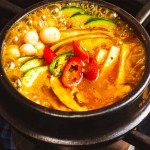
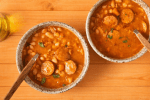
If there’s a dish that perfectly captures the comforting, tangy, and earthy flavors of Visayan home cooking, it’s KBL—short for Kadyos, Baboy, Langka. This hearty stew from Iloilo and Negros Occidental combines smoky pork, tender jackfruit, and native pigeon peas (kadyos) in a broth soured with batwan—a regional fruit unique to Western Visayas.
It’s not flashy. It’s not trendy. But it’s the kind of food that wraps around your soul.
What is KBL?
KBL stands for the three key ingredients:
- Kadyos – Native pigeon peas, earthy and high in protein
- Baboy – Pork, often smoked or grilled first for depth of flavor
- Langka – Unripe jackfruit, adding bulk and subtle sweetness
What makes this dish extra special is the batwan fruit, which gives it its signature tang—similar to sinigang but with a rounder, more aromatic sourness.
Why It’s Underrated
- Batwan isn’t widely available outside Visayas
- Pigeon peas are not commonly used in urban Filipino cooking
- It doesn’t appear on most restaurant menus outside Iloilo
- It’s complex and slow-cooked—less suited for quick meals
But despite all that, KBL is an icon in Ilonggo households. It’s part of the food memory of generations, served at reunions, fiestas, and even funerals.
Ingredient Breakdown
1. Kadyos (Pigeon Peas)
- Earthy, nutty, and firm
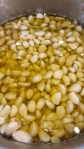
- Needs soaking overnight
- High in fiber and protein
2. Baboy (Pork)
- Commonly uses pork hock (pata) or pork belly
- Often grilled or smoked for extra flavor (tinuno style)
- Boiled until fall-off-the-bone tender
3. Langka (Unripe Jackfruit)
- Mild, starchy, and soaks up flavor
- Cut into strips or cubes
- Adds texture and a hint of sweetness
4. Batwan
- Native souring agent (Visayan equivalent of tamarind or kamias)
- Hard to find outside of Visayas
- Optional substitute: tamarind, green mango, or calamansi
5. Aromatics & Seasoning
- Garlic, onion, ginger, salt, pepper
- Sometimes lemongrass (tanglad) for a fragrant touch
Authentic KBL Recipe
Ingredients:
- 1/2 kg pork hock or belly
- 1 cup dried kadyos (pigeon peas), soaked overnight
- 2 cups unripe jackfruit, cut into strips
- 4–6 batwan fruits (or tamarind paste as substitute)
- 1 thumb ginger, sliced
- 1 onion, chopped
- 5 cloves garlic, minced
- Salt and pepper to taste
- 6–8 cups water
Instructions:
- Boil soaked kadyos in a pot until tender (45–60 mins). Set aside.
- In a large pot, sauté garlic, onion, and ginger.
- Add pork and sear until slightly browned.
- Pour in water and simmer until pork is tender (about 1 hour).
- Add jackfruit and continue to simmer for 15 minutes.
- Stir in cooked kadyos and batwan. Simmer for another 10–15 minutes.
- Season with salt and pepper. Adjust sourness as desired.
- Serve hot with steamed rice.
Serving Tips
- Pair with garlic rice or plain white rice
- Add green chili for a spicy kick
- Best eaten with dipping sauce: soy sauce + calamansi + chili
- Ideal for rainy days or large family gatherings
Nutrition Facts
- High in protein and fiber
- Good source of iron and potassium
- Heartier and more balanced than many pork-based stews
- Optional: use leaner cuts for less fat
Cultural Notes
In Ilonggo families, KBL is often cooked on weekends or for special events. It’s considered a “pamati-an” dish—food that brings people together and comforts those who are grieving or celebrating.
Some households add ubad (banana pith) or lemongrass for extra flair. In Negros, KBL may be made spicier with siling labuyo and served with grilled fish on the side.
FAQs
Can I use canned jackfruit?
Yes, but make sure it’s unripe and not packed in syrup.
What can I use instead of batwan?
Tamarind paste, calamansi juice, or green mango slices are good substitutes.
Is it okay to pressure-cook the kadyos?
Absolutely—this can reduce cooking time significantly.
Can I make it vegetarian?
Yes! Skip the pork and add more jackfruit, mushroom, or smoked tofu.
KBL is more than just an acronym—it’s a dish that reflects the soul of Visayan cuisine: humble, earthy, and full of heart. As we continue celebrating Filipino Food Month, let’s give space to the dishes that might not make it to magazine covers—but live forever in the hearts (and stomachs) of the regions that made them.




 Simply Cooking!
Leave a comment