


Filipino Food Month Series – Day 5 | Luzon
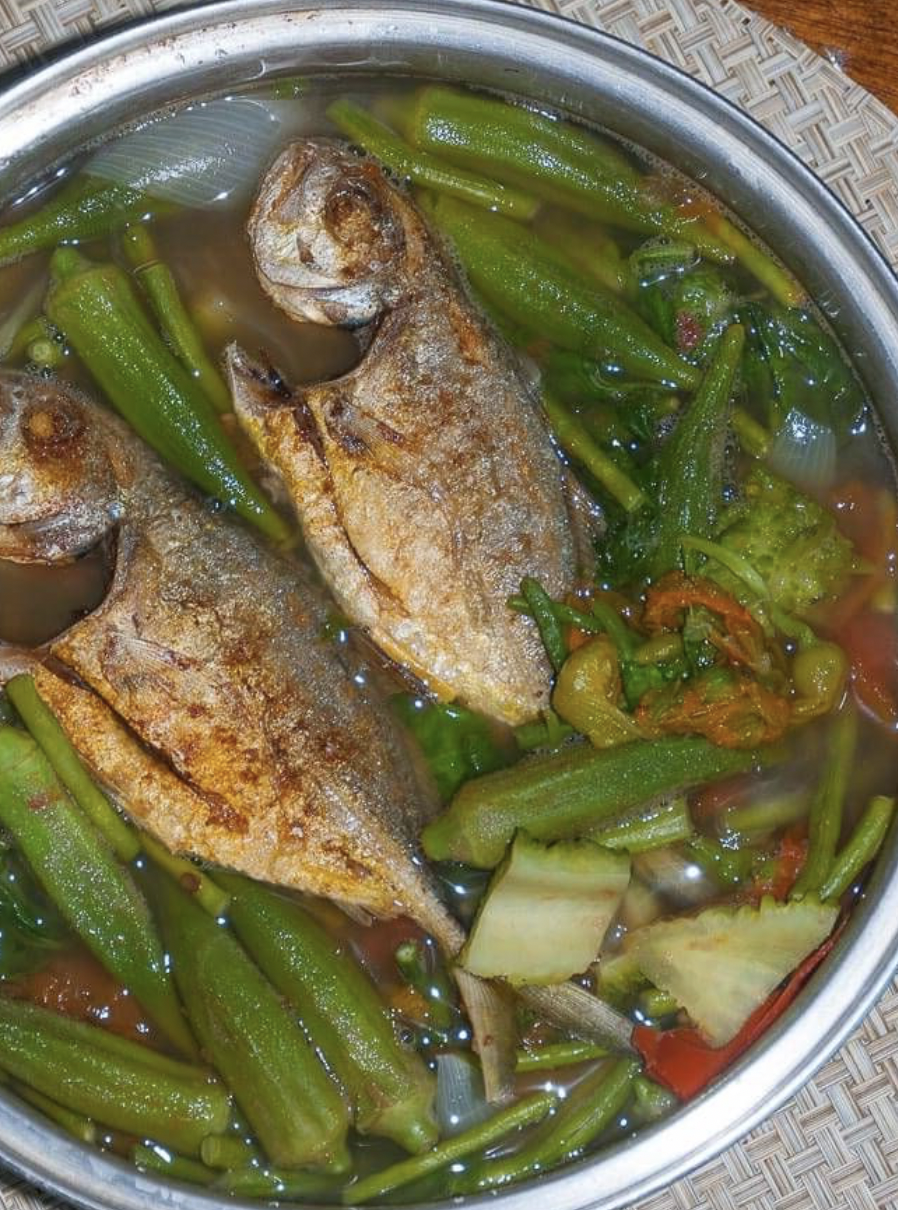
When it comes to making the most out of the land, few Filipinos do it like the Ilocanos. Their cuisine is often described as “simple but flavorful,” and no dish embodies that more than Dinengdeng—a humble, brothy stew of vegetables flavored with fermented fish sauce (bagoong na isda) and sometimes topped with grilled or fried fish.
It’s rustic. It’s efficient. And it’s one of the healthiest and most underrated dishes in Filipino cuisine.
What is Dinengdeng?
At its heart, Dinengdeng is a lightly soured or salted vegetable stew made using local, seasonal vegetables and fish-based broth. Unlike pinakbet, which is sautéed and slightly dry, Dinengdeng is more of a soupy dish that’s poured over hot rice.
It can include vegetables like:
- Upo (bottle gourd)
- Malunggay (moringa leaves)
- Taro leaves
- Saluyot (jute leaves)
- Sitaw (string beans)
- Talong (eggplant)
- Kabute (mushrooms, optional)
The only constant? Bagoong na isda—a fermented anchovy or fish sauce that gives the broth its signature depth and saltiness.
Why It’s Underrated
- It’s associated with “poor man’s food” or farm meals
- It’s vegetable-heavy, not always appealing to meat lovers
- It’s overshadowed by more indulgent Ilocano dishes like bagnet
- Harder to find in restaurants outside Northern Luzon
Yet for Ilocanos, Dinengdeng is a way of life—a dish that speaks of sustainability, discipline, and connection to the land.
Cultural Notes
Ilocano households often plant their own gulay (vegetables), and Dinengdeng is made using whatever’s freshly picked. It’s also common to prepare this dish during leaner times, where meat is scarce but the garden is thriving.
It may be eaten alone or topped with:
- Grilled bangus
- Fried tilapia
- Inihaw na pork
- Daing (dried fish)
Sometimes, leftover fried fish from lunch is dunked into the pot, giving new life to yesterday’s meal.
Authentic Dinengdeng Recipe
Ingredients:
- 2 cups mixed native vegetables (upo, saluyot, talong, sitaw)
- 2 cups water
- 2 tbsp bagoong na isda (Ilocano fish sauce)
- 2–3 pcs grilled or fried fish (tilapia or bangus)
- 1 onion, sliced
- 1 tomato, sliced
- Optional: 1 tsp ginger, sliced
- Optional: 1 small chili for heat
Instructions:
- In a pot, bring water to a boil with onion, tomato, and ginger (if using).
- Add bagoong na isda to taste. Simmer for 3 minutes.
- Add hard vegetables first (upo, sitaw). Cook for 5 minutes.
- Add leafy greens (saluyot, malunggay) last. Simmer until just wilted.
- Place grilled or fried fish on top and simmer gently for another 2–3 minutes.
- Serve hot over rice, with soup poured in generously.
Tips and Variations
- Add a bit of kamias or green mango for light sourness
- Use bagnet instead of fish for a luxe twist
- For a vegetarian version, skip the fish and use mushroom bagoong
- Some use squash blossoms, ampalaya leaves, or even corn
Health Benefits
- High in fiber, vitamins, and minerals
- Low in fat and calories
- Great for diabetics and those on whole food diets
- Bagoong is rich in umami, so you need less salt
Ilocanos often attribute their long lifespan to vegetable-based dishes like Dinengdeng.
FAQs
Is Dinengdeng the same as Pinakbet?
No—Dinengdeng is a brothy vegetable soup, while pinakbet is a dry sautéed dish.
Can I use commercial fish sauce instead of bagoong na isda?
Technically yes, but it lacks the same rustic flavor. Try to source authentic Ilocano bagoong.
Can I make this in bulk?
Yes—make a big pot, and add different toppings each day (fried egg, grilled tofu, etc.).
Does it taste “fishy”?
Not overwhelmingly. The fish flavor is balanced by vegetables and aromatics.
Dinengdeng is a dish that humbles you in the best way—it doesn’t try to impress with excess. It’s about comfort, nourishment, and a deep respect for the earth.
As we celebrate Filipino Food Month, let’s not forget the dishes that have quietly nourished communities for centuries. Dinengdeng is simple—but within that simplicity is wisdom, heritage, and heart.






 Simply Cooking!
Leave a comment