


Filipino Food Month Series – Day 6 | Visayas
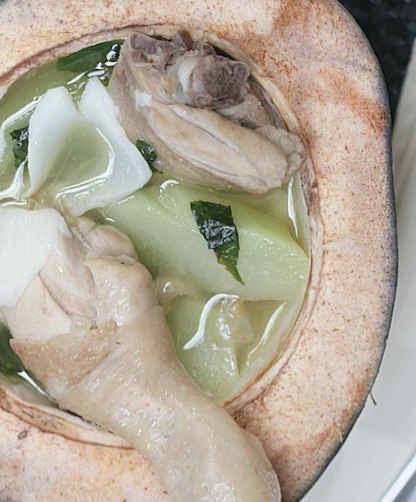
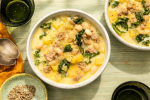
Imagine a comforting bowl of chicken soup—like tinola—but sweeter, deeper, and infused with the aroma of coconut and lemongrass. That’s Binakol, a traditional dish from the Western Visayas, especially Capiz and Aklan, where it’s not just a soup—it’s a soulful celebration of local ingredients.
What makes it unique? It’s cooked entirely in coconut water, with tender coconut meat added in for texture and sweetness.
What is Binakol?
Binakol is a Visayan-style chicken soup, very similar to tinola, but instead of plain water or broth, it uses fresh coconut water. The dish also includes young coconut meat, giving it a sweet-salty balance that sets it apart from other Filipino soups.
It’s commonly cooked with:
• Native chicken (if available)
• Lemongrass (tanglad)
• Ginger, garlic, and onion
• Green papaya or chayote
• Chili leaves or malunggay
Some traditional recipes are even cooked inside a bamboo tube or coconut shell, especially in rural communities—adding a layer of smokiness and ceremony.
Why It’s Underrated
• Overshadowed by tinola and sinigang
• Harder to make outside provinces where fresh coconut water is readily available
• Considered “everyday food” and rarely commercialized
• Less known outside Western Visayas
But those who grew up with Binakol often associate it with family gatherings, beach picnics, or a grandma’s touch in the kitchen.
Flavor Profile
• Sweetness from fresh coconut water
• Savory depth from ginger, onion, garlic
• Bright citrus from lemongrass
• Mild heat from finger chilies (optional)
• Subtle bitterness from leafy greens like chili or malunggay leaves
It’s light but layered, comforting yet exciting.
Authentic Chicken Binakol Recipe
Ingredients:
• 1 kg native chicken, chopped into serving pieces
• 2 cups coconut water (fresh, not canned if possible)
• 1 cup coconut meat, shredded or cut into strips
• 1 onion, sliced
• 5 cloves garlic, minced
• 1 thumb-sized ginger, sliced
• 1 stalk lemongrass, pounded and tied into a knot
• 2 pcs green finger chilies (optional)
• 1 cup papaya or chayote, cubed
• 1 cup chili or malunggay leaves
• Salt and pepper to taste
• 1 tbsp fish sauce (optional)
• 1 tbsp oil
Instructions:
1. In a pot, sauté garlic, onion, and ginger in oil until fragrant.
2. Add chicken and cook until lightly browned.
3. Pour in the coconut water and add the lemongrass. Bring to a boil.
4. Lower heat and simmer for 30–40 minutes until chicken is tender.
5. Add coconut meat, papaya/chayote, and green chilies. Simmer for 10 more minutes.
6. Season with salt, pepper, and fish sauce (if using).
7. Add leafy greens last. Stir and cook for another 2 minutes.
8. Serve hot with rice—or sip on its own!
Serving Suggestions
• Perfect with garlic fried rice or steamed white rice
• Serve with baked talaba (oysters) for a true Capiz combo
• Enjoy as a solo meal—it’s already well-rounded and satisfying
• Pair with a light side salad of green mango or ensaladang talong
Health Notes
• Hydrating from coconut water
• High in potassium and electrolytes
• Protein-rich from native chicken
• Can be low-fat depending on cut
• Naturally gluten-free and keto-friendly
Great for recovery meals, post-beach days, or rainy season cravings.
Cultural Notes
In Capiz and Aklan, Binakol is part of kulinarya sa niyog—a broader tradition of cooking with every part of the coconut. It’s not just a cooking method, it’s a sustainable food culture.
Some families even cook Binakol in bulo (bamboo) during fiestas, using hot coals to seal in the flavor. This practice is part cooking, part performance—a true display of rural Filipino culinary tradition.
FAQs
Can I use canned coconut water?
Yes, but the flavor won’t be as fresh. Look for 100% pure coconut water with no additives.
What meat can I substitute?
You can use pork, shrimp, or even tofu—but chicken is traditional and best for balance.
Can I cook this ahead?
Yes! In fact, the flavor deepens after resting. It keeps well in the fridge for up to 3 days.
Is it sweet?
Slightly—but the savory aromatics balance it out beautifully.
Binakol is a dish that whispers rather than shouts—but those who listen closely are rewarded with complexity, comfort, and a taste of the Visayan soul.
As we continue Filipino Food Month, remember: not all culinary gems are loud. Some, like Binakol, are quietly unforgettable.







 Simply Cooking!
Leave a comment