


Filipino Food Month Series – Day 7 | Mindanao
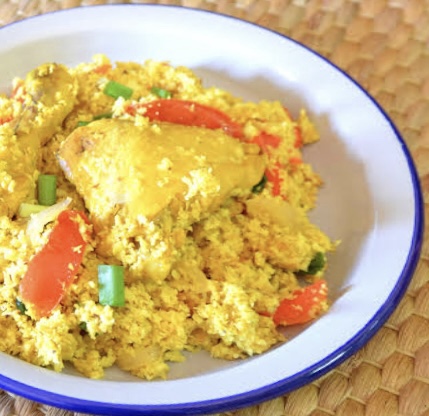
With its golden hue, aromatic spices, and creamy coconut base, Piaparan is one of the crown jewels of Maranao cuisine—a cuisine rarely spotlighted but rich with Islamic culinary heritage and cross-cultural flavors.
Piaparan is a chicken stew made with coconut milk, turmeric, garlic, ginger, onions, and the key Maranao ingredient: palapa—a fragrant paste of scallions, ginger, and chili. The result? A comforting, slightly spicy, and boldly aromatic dish that tastes like tradition in every bite.
What is Piaparan?
Piaparan means “cooked with coconut” in the Maranao language. While many Filipino dishes use coconut milk, what sets Piaparan apart is the combination of spices and palapa, which gives it warmth, depth, and a signature Maranao touch.
The dish is commonly made with:
• Chicken (sometimes fish or seafood)
• Coconut milk and coconut cream
• Turmeric (for color and earthiness)
• Palapa (homemade Maranao condiment)
• Finger chilies, ginger, garlic, onions
• Sliced cabbage or leafy greens
• Toasted grated coconut (niyog) for texture
It’s both comfort food and a celebration dish—served at home, during Ramadan, or at special gatherings.
Why It’s Underrated
• Not widely known outside Mindanao
• Ingredients like palapa and turmeric are underused in mainstream Filipino cooking
• Requires multiple coconut-based components (milk, cream, toasted coconut)
• Commonly found in homes, rarely in restaurants
Yet Piaparan is a masterclass in layering flavors—the perfect bridge between Filipino and Southeast Asian cooking traditions.
Palapa: The Heart of the Dish
Before we move to the recipe, it’s important to understand palapa—a Maranao spice paste made from:
• Thinly sliced scallions (sakurab, native shallots or spring onions)
• Ginger
• Chili (often bird’s eye or native chili)
• Salt
• Sometimes coconut oil for preservation
Palapa is used to season everything from rice to meats and soups in Maranao cooking. In Piaparan, it’s sautéed and melded into the coconut base to form the flavor foundation.
Authentic Chicken Piaparan Recipe
Ingredients:
• 1 kg chicken (cut into serving pieces)
• 2 cups coconut milk
• 1 cup coconut cream
• 1 cup palapa (see below)
• 1/2 cup toasted grated coconut
• 1 thumb-sized ginger, sliced
• 5 cloves garlic, minced
• 1 onion, chopped
• 1 tsp turmeric powder (or grated fresh turmeric)
• 2–3 green finger chilies
• 1 cup cabbage or malunggay (optional)
• Salt and pepper to taste
• Oil for sautéing
Palapa (Quick Version):
• 1 cup sliced scallions or spring onions
• 1 thumb ginger, grated
• 3–5 bird’s eye chilies (adjust to heat preference)
• Salt to taste
• Pound or grind into a coarse paste. Use fresh or sauté lightly in oil.
Instructions:
1. In a dry pan, toast grated coconut until golden brown. Set aside.
2. In a large pan, sauté onion, garlic, and ginger in oil. Add palapa and cook for 3–5 minutes.
3. Add chicken and turmeric. Stir until chicken is lightly browned and coated.
4. Pour in the coconut milk. Simmer for 25–30 minutes until chicken is tender.
5. Add coconut cream and toasted coconut. Simmer for another 10 minutes until thickened.
6. Add vegetables (if using) and green chilies. Cook just until wilted.
7. Season with salt and pepper. Serve hot with steamed rice.
Flavor Notes
• Rich and creamy from coconut
• Spicy but well-rounded
• Nutty from toasted coconut
• Bright and earthy from turmeric and ginger
• Incredibly aromatic thanks to palapa
Serving Suggestions
• Best with white or turmeric rice (kuning)
• Serve with cucumber salad or fresh tomatoes to balance the richness
• Pair with fried fish or grilled eggplant for a full Maranao meal
• Great for special dinners or Ramadan iftar meals
Health Benefits
• Anti-inflammatory properties from turmeric
• Immune-boosting ingredients like garlic, ginger, and chili
• High in healthy fats from coconut milk
• Naturally gluten-free and halal
Cultural Notes
In Lanao del Sur and parts of Maguindanao, Piaparan is a dish that links generations. It’s often cooked in large pots for family gatherings and shared communally.
The use of palapa is not just culinary—it’s cultural. Every Maranao kitchen has a jar of it, and it’s passed down with pride. When a dish contains palapa, it carries with it the warmth of the Maranao home.
FAQs
Can I use canned coconut milk?
Yes, but if you can find freshly grated niyog, the flavor is far superior.
Is it supposed to be spicy?
Moderately. Adjust the number of chilies based on your preference.
What’s the difference between Piaparan and other coconut stews?
Piaparan includes toasted coconut and palapa, giving it a layered and deeply aromatic flavor unlike other ginataan-style dishes.
Can I make it vegetarian?
Yes—replace chicken with tofu and use vegetable broth or coconut milk as the base.
Final Thoughts
Piaparan is golden in color, rich in culture, and deeply rooted in tradition. It’s time this Maranao masterpiece found its way into more Filipino homes and kitchens across the world.
As we close the first week of Filipino Food Month, let’s honor the flavors of Mindanao—not just for their deliciousness, but for the heritage and stories they carry.



 Simply Cooking!
Leave a comment