


Allergens: Fish | Gluten-Free | Dairy-Free | Nut-Free
Cuisine: Filipino (Batangas Region, Southern Luzon)
Follow on Instagram: @simplycookingx
Sinaing na Tulingan is a traditional Filipino dish from Batangas, featuring bullet tuna slowly braised with kamias (bilimbi) and aromatics. A deeply savory, naturally gluten-free fish dish rooted in Filipino coastal cooking.
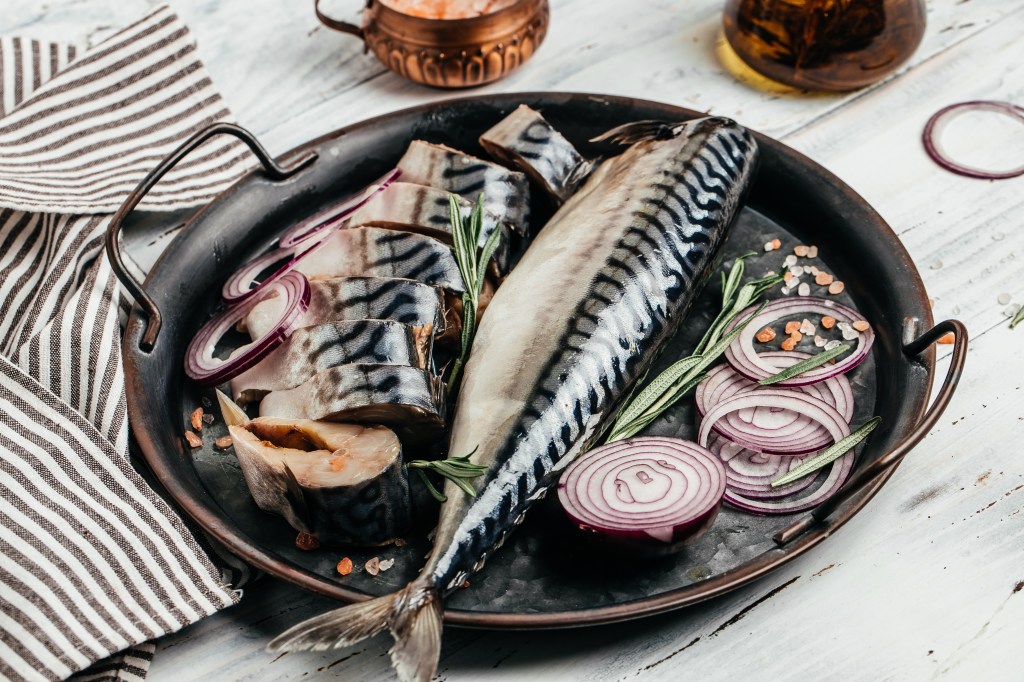
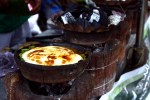
Sinaing na Tulingan is a deeply rooted heirloom dish from Batangas, a coastal province in Southern Luzon, Philippines. The term sinaing refers to slow-cooking or braising, while tulingan is bullet tuna — a firm, oily fish popular in local wet markets. The traditional method simmers the fish low and slow with kamias (bilimbi), a tart tropical fruit that acts as both flavoring and natural preservative. Salt, water, and aromatics round out the base. Often cooked in palayok (clay pots), the dish develops umami-rich depth and keeps for days — making it a staple in Batangueño homes and lunchboxes.
Ingredients (Serves 4–5)
- 4 pieces tulingan (bullet tuna), cleaned and gutted
- 2 tbsp rock salt
- 1 cup kamias (bilimbi), halved (or substitute: green mango, tamarind, or lemon slices)
- 1 cup pork fat or coconut oil (optional, for flavor and preservation)
- 4 cups water
- Banana leaves (for layering, optional but traditional)
Instructions
- Clean and Salt the Fish
- Remove tail spines, innards, and gills from tulingan.
- Rub with rock salt and let sit for 30 minutes. Rinse briefly.
- Layer in Pot
- Line the bottom of a thick pot (or clay pot) with banana leaves.
- Arrange fish tightly with kamias between layers.
- Add pork fat or coconut oil if using. Pour water until fish is covered.
- Simmer Slowly
- Cover with more banana leaves. Bring to a boil, then reduce to a low simmer.
- Cook covered for 4–6 hours, until fish is tender, bones are soft, and liquid is reduced.
- Serve
- Serve warm with steamed rice and a drizzle of the rich braising sauce.
Kitchen Equipment
- Large clay pot or heavy-bottomed stockpot
- Banana leaves (optional)
- Tongs or fish spatula
- Knife and chopping board
- Measuring cups
- Lid (tight-fitting)
Dietary Substitutions & Allergen Swaps
- Fish Substitute: Mackerel or sardines work well if tulingan is unavailable.
- Vegan Version: Use eggplant or jackfruit and season with seaweed and miso for umami.
- No Kamias? Use tamarind paste, lemon juice, or green mango.
Chef’s Tips
- Cook Low and Slow: Clay pot cooking develops best flavor over hours.
- Storage: Can be refrigerated up to 5 days; flavor improves over time.
- Flake Over Rice: Mix leftover fish into garlic fried rice for a second-day win.
Wine Pairing
Pair with dry Sauvignon Blanc or light-bodied Pinot Grigio. Non-alcoholic pairing: iced calamansi tea, ginger-turmeric water, or green mango cooler.
Nutrition Facts
Serving Size: 1 fish piece with sauce
Servings Per Recipe: 4
| Nutrient | Amount Per Serving |
|---|---|
| Calories | 300 kcal |
| Total Fat | 14 g |
| – Saturated Fat | 4 g |
| – Trans Fat | 0 g |
| Cholesterol | 75 mg |
| Sodium | 700 mg |
| Total Carbohydrate | 4 g |
| – Dietary Fiber | 1 g |
| – Total Sugars | 1 g |
| Protein | 36 g |
| Iron | 2.2 mg (12%) |
| Potassium | 480 mg (10%) |
Frequently Asked Questions
Q: Can I pressure cook sinaing na tulingan?
A: Yes — reduce cooking time to 45–60 minutes under pressure for soft bones.
Q: Is banana leaf essential?
A: Not mandatory but adds authentic aroma and prevents sticking.
Q: Can I use coconut milk instead of oil?
A: Traditional versions use fat for preservation. Coconut milk is less ideal but adds richness if eaten fresh.
Q: How do I reheat it?
A: Simmer gently with a splash of water or oil in a covered pan.
From the shores of Batangas to your modern kitchen, Sinaing na Tulingan brings heirloom Filipino flavor to your table. Tag @simplycookingx using #GlobalCuisineSeries to share your coastal comfort creation!





 Simply Cooking!
Leave a comment