


Allergens: Gluten-Free Adaptable | Dairy-Free | Nut-Free | Egg Optional
Cuisine: Korean
Follow on Instagram: @simplycookingx
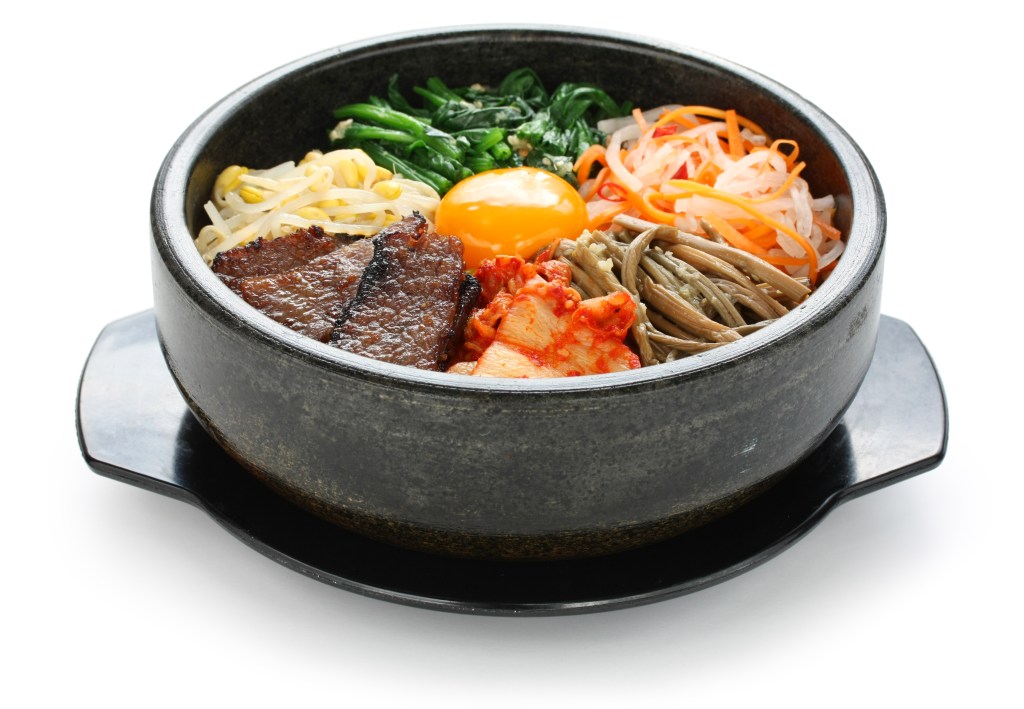
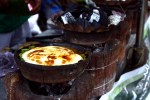
Bibimbap (비빔밥) literally means “mixed rice,” a dish that embodies the Korean ideal of balance — color, texture, and nutrition in harmony. Traditionally served in a hot stone bowl (dolsot bibimbap), it includes warm rice topped with sautéed vegetables, egg, and a dollop of gochujang (Korean chili paste). Originating from royal cuisine, Bibimbap has evolved into an everyday comfort food that celebrates variety and mindfulness. Each ingredient represents a color and an element of balance — making it as nourishing for the body as it is for the eyes.
Ingredients (Serves 2–3)
For the Bowl:
- 2 cups cooked short-grain rice (white or brown)
- 1 small carrot, julienned
- 1 small zucchini, julienned
- ½ cup bean sprouts
- ½ cup spinach leaves
- ½ cup mushrooms (shiitake or button), sliced
- 1 egg per serving (optional)
- 1 tbsp sesame oil
- 1 tbsp soy sauce or tamari (gluten-free)
- Salt & pepper, to taste
- Sesame seeds, for garnish
For the Gochujang Sauce:**
- 2 tbsp gochujang (Korean red chili paste; gluten-free if needed)
- 1 tbsp sesame oil
- 1 tbsp rice vinegar
- 1 tsp sugar or honey
- 1 tsp water
Instructions
- Prepare Vegetables
- Blanch bean sprouts and spinach separately for 1 minute, then rinse in cold water and squeeze dry.
- Sauté carrot, zucchini, and mushrooms in sesame oil, seasoning lightly with soy sauce and pepper.
- Cook Egg (Optional)
- Fry sunny-side up or soft-boiled for a traditional finish.
- Assemble the Bowl
- Place warm rice in a large bowl. Arrange vegetables neatly on top in sections. Add egg at the center.
- Make the Sauce
- Stir all sauce ingredients together until smooth. Drizzle over the bowl or serve on the side.
- Mix & Enjoy
- Just before eating, mix everything well to coat with sauce.
Kitchen Equipment
- Non-stick pan or wok
- Saucepan for blanching
- Mixing bowl
- Wooden spoon or tongs
- Rice cooker or pot
- Serving bowls (preferably stone or ceramic)
Dietary Substitutions & Allergen Swaps
- Gluten-Free: Use tamari and gluten-free gochujang.
- Vegan: Skip the egg and honey; add tofu or tempeh.
- Low-Carb: Replace rice with cauliflower rice.
- Nut-Free: Ensure gochujang and soy sauce brands are nut-free.
Chef’s Tips
- Balance of Colors: Aim for five — green, white, yellow, red, and brown.
- Crispy Rice (Dolsot Style): Heat rice in a hot stone bowl until bottom becomes golden and crispy.
- Meal Prep Tip: Cook and portion toppings in advance; assemble before serving.
Wine Pairing
Pair with off-dry Riesling, rosé, or light-bodied Pinot Noir. Non-alcoholic: cold barley tea (boricha) or sparkling yuzu water.
Nutrition Facts
Serving Size: 1 bowl (approx. 300g)
Servings Per Recipe: 3
| Nutrient | Amount Per Serving |
|---|---|
| Calories | 410 kcal |
| Total Fat | 12 g |
| – Saturated Fat | 2 g |
| – Trans Fat | 0 g |
| Cholesterol | 70 mg (omit egg for vegan) |
| Sodium | 550 mg |
| Total Carbohydrate | 59 g |
| – Dietary Fiber | 5 g |
| – Total Sugars | 4 g |
| Protein | 13 g |
| Iron | 2.3 mg (13%) |
| Potassium | 510 mg (11%) |
Frequently Asked Questions
Q: What kind of rice is best for Bibimbap?
A: Short-grain white or brown rice works best for authentic texture.
Q: Is Bibimbap spicy?
A: The spice level depends on your gochujang. Adjust to taste by mixing with more sesame oil or vinegar.
Q: Can I serve it cold?
A: Yes! It’s often eaten at room temperature or cold in summer months.
Q: What proteins go well with Bibimbap?
A: Tofu, bulgogi beef, grilled chicken, or mushrooms are great additions.
Balanced, beautiful, and bold — Bibimbap is a bowl of mindful comfort that celebrates color and flavor. Try it tonight and tag @simplycookingx with #GlobalCuisineSeries to share your Korean-inspired creation!






 Simply Cooking!
Leave a comment